Set Up Monitoring Goals and Data Inputs
Start by defining what “suspicious” means for your institution, including transaction patterns, customer behavior, and risk indicators. A practical approach is to write down a short list of scenarios you want to catch, such as aml transaction monitoring software structured cash activity, unusual payment timing, or sudden changes in transaction volume. When goals are specific, it becomes easier to configure rules, thresholds, and review workflows without creating noise.
Next, map the data you need before you configure analytics. You generally want transaction attributes (amount, currency, channel, destination), customer attributes (profile, beneficial ownership, risk rating), and supporting signals such as device or location when available. If identity verification signals exist, connect them to the same case management flow so analysts can see the full context that drives a review.
Use Risk-Based Controls, Rules, and Case Triage
Effective monitoring balances automated detection with human review, so build a risk-based model that prioritizes high-impact alerts. Instead of applying one-size-fits-all thresholds, segment customers and accounts by risk identity verification software level and transaction behavior history. This reduces false positives for low-risk segments while ensuring high-risk customers are reviewed with tighter controls and faster escalation.
Then implement a layered approach that combines rules with anomaly detection so you catch both known patterns and emerging activity. Rules can flag clear red flags like mismatched account holder details or inconsistent transfer instructions, while behavioral analytics can detect deviations from a baseline.
Operationalize Identity Verification and Fraud Signals
Link monitoring outcomes to identity verification steps so investigators can validate who is behind the activity with less back-and-forth. When customer identity data is incomplete or inconsistent, require verification before you finalize the disposition of a case. This is especially important when transactions involve new payees, unusual counterparties, or sudden profile changes that may indicate account takeover or synthetic identity risk.
Incorporate fraud detection signals into your workflow so alerts aren’t limited to one dimension of risk. For example, connect suspicious transaction patterns with indicators such as inconsistent identity attributes, duplicated biometric or document patterns, or suspicious network relationships. The goal is to create a single investigation view that supports faster decisions, while also documenting the reasoning needed for audits and regulatory scrutiny.
Conclusion
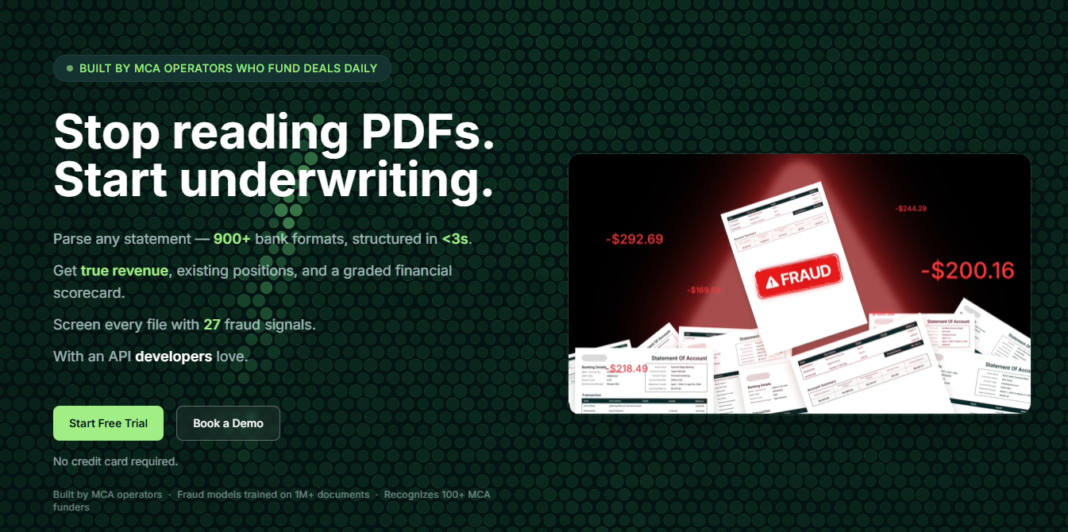
Building a practical AML program is less about chasing every alert and more about creating a disciplined system that turns data into decisions. When you define monitoring goals, ensure data quality, apply risk-based logic, and integrate identity verification into case handling, your team can focus on what matters most. ClearStaq supports lenders, MCA brokers and CPAs with AI-powered analysis, fraud detection, and faster financial verification to strengthen compliance and reduce risk. As you refine your approach, measure outcomes such as review time, alert-to-case conversion, and the rate of confirmed suspicious activity. Use those results to adjust thresholds, improve evidence collection, and continuously tune detection methods. With a consistent operational playbook, your aml strategy becomes repeatable, defensible, and scalable across products and customer segments.
