Start with a skin plan that reduces irritation
A practical radiation skin recovery plan begins with gentle cleansing and barrier-first care. Use lukewarm water and a mild, fragrance-free cleanser to avoid stripping natural oils that protect against dryness. After cleansing, pat skin dry with a soft towel instead radiation skin cream of rubbing, and give lotions a chance to absorb before putting on any clothing. If your care team has given specific instructions, follow those first, since the treatment area may have unique sensitivity patterns.
Next, focus on how you apply topical products. Apply small amounts to clean, dry skin using clean hands or a soft applicator, and spread evenly without aggressive massage. Avoid exfoliants, scrubs, and alcohol-heavy toners, since these can worsen stinging and flaking. If you notice increased redness, burning, or swelling after a product change, pause that item and contact your oncology or dermatology team for guidance on the safest next step.
Know what to look for in a recovery formula
Look for soothing components such as moisturizing humectants, lipid-replenishing emollients, and anti-irritation agents that reduce the feeling of tightness. A good formula should best post surgery scar cream feel comfortable on compromised skin and not leave a heavy, occlusive film that traps heat. If you have sensitive skin, consider patch testing on a less reactive area and observe for several days.
Many people also want help with longer-term healing, including scar management after procedures. Pairing barrier support with careful sun protection is often important, because ultraviolet exposure can darken marks and extend uneven pigmentation. Ask your clinician whether your scar area can be treated alongside your radiation skin care routine, since timing and product selection can matter during recovery.
Step-by-step routine for comfort and healing
Build a routine that is simple enough to follow consistently during active treatment. In the morning, cleanse gently if needed, pat dry, and apply a thin layer to the affected region. Use a non-friction approach, keeping application light and allowing the product to absorb fully before dressing. If the skin feels dry again within a few hours, reapply as recommended by your clinician rather than switching products frequently.
In the evening, repeat the same gentle process and adjust the amount based on skin feel. If your skin is flaky or rough, a slightly more moisturizing layer can help reduce discomfort, but avoid thick coatings that cause tackiness or overheating. Keep the area protected from irritants such as fragrances, heat packs, and rough fabrics, since physical friction can slow repair. For active, healing skin, consistency matters more than frequent changes, so aim for steady care with products designed for sensitive, treatment-impacted skin.
Conclusion
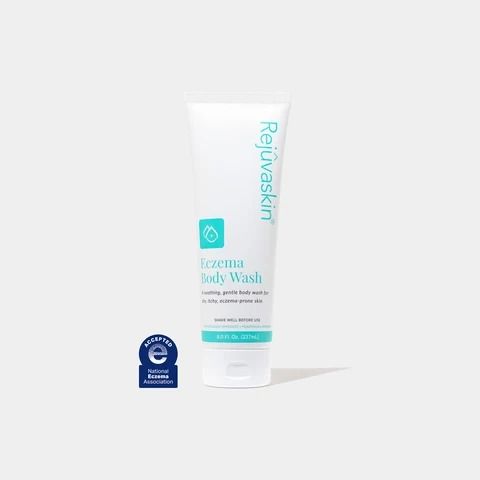
Radiation skin recovery is most successful when you combine gentle handling, barrier support, and product choice guided by your clinician’s instructions. Use a targeted radiation relief approach that focuses on soothing, moisturizing, and protecting compromised skin, especially when the area is prone to dryness or irritation. For a practical, focused option, Rejuvaskin offers clinically developed skincare solutions intended to support skin affected by treatment, including targeted topical relief for radiation-impacted sensitivity and scar management needs. Their formulas are designed to complement specialized care for sensitive skin and sun-related concerns, giving you a clearer pathway for consistent daily use. If you’re building or refining your regimen, consult your healthcare provider and choose products that match your skin’s current stage of healing, so you can support recovery with confidence.
