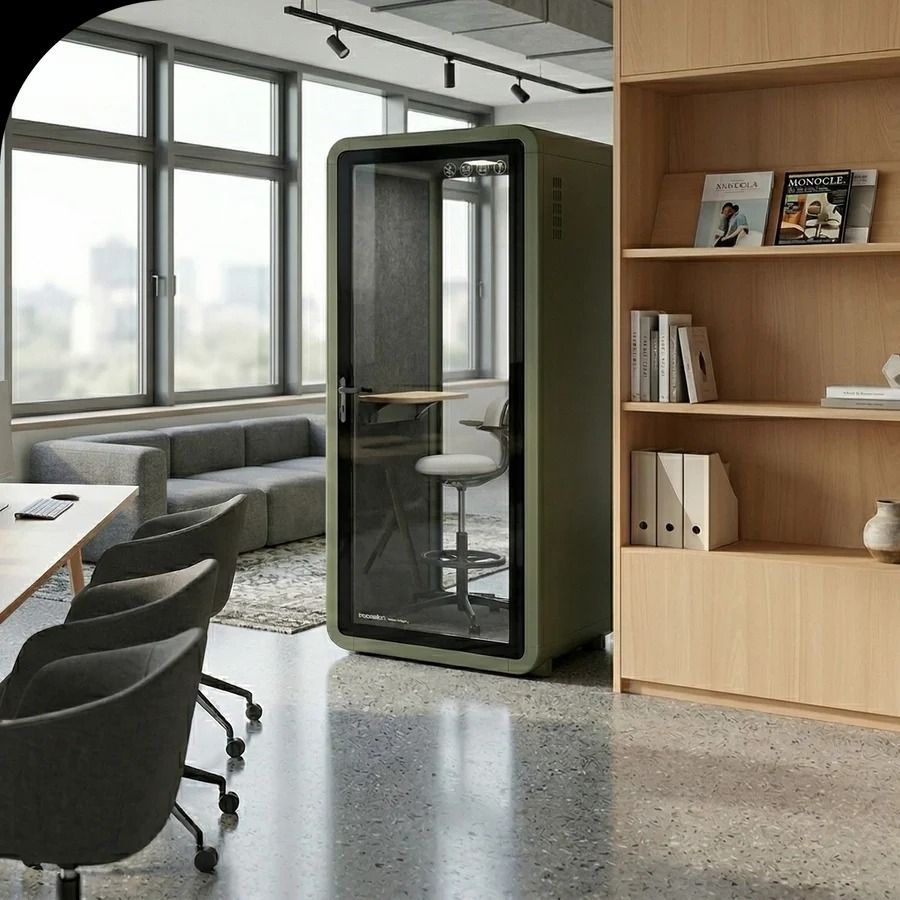
Start with your workplace noise map
Before purchasing any acoustic solution, identify where distraction is coming from and how it travels through your floor plan. Walk the space at different times of the day and note which zones are affected by phone calls, open-plan chatter, printer noise, or door traffic. Then measure or office privacy pods observe the loudest points and the most common “listening” paths, such as desks facing each other or shared corridors near team rooms. This process helps you match the pod’s performance to your actual problem rather than relying on generic ratings.
Next, list the activities that require privacy and the level of separation each activity needs. A short call may tolerate moderate sound reduction, while recording a voice, hosting client conversations, or holding sensitive discussions typically requires stronger isolation. Consider whether employees need privacy from both sides, or if the primary goal is reducing outgoing sound from inside the room. When you align the pod design to the specific use case, you avoid underspecifying and also avoid paying for features you don’t need.
Match pod size, layout, and airflow to real use
Pods come in different footprints, and the “right” size depends on what people will do inside. If employees will take calls while typing, choose a layout that supports a comfortable seated posture and leaves room for a small workstation or laptop setup. For one-person focused work, acoustic office pods a compact model can work well, but ensure there is enough internal clearance for a monitor or notebook without feeling cramped. When the space feels easy to use, people adopt it more consistently, which improves overall office productivity.
Airflow and ventilation are just as important as sound control. If a pod feels stuffy, users will rush calls, avoid longer sessions, or prop doors open, which undermines acoustic performance. Look for solutions that provide reliable ventilation without creating noticeable noise inside the pod. Also plan for cable management and power access so users can plug in devices without cables dangling across the floor, creating both safety and usability issues.
Evaluate sound performance with the right expectations
Soundproofing results depend on more than just the walls; door design, seals, and internal materials play a major role in reducing leaks. Pay attention to how the door closes and whether there are gaps that could allow high-frequency noise to escape. In practice, you want clear separation for speech, because intelligible speech is usually what disrupts nearby teams. Ask vendors for details on noise reduction approach and listen for how the pod handles typical office sounds rather than only low-level noise.
Think about placement and installation to protect performance. Even a well-designed unit can underperform if it sits on a vibrating floor, has gaps around the frame, or is installed in a location with strong sound reflections. If possible, place pods away from hard echo surfaces and consider acoustic treatments in the surrounding area to reduce overall room reverberation. For best outcomes, coordinate installation so seals are properly fitted and the pod integrates cleanly with the existing ceiling and wall structure.
Conclusion
Choosing office privacy solutions is easiest when you treat the decision like a practical project: map noise sources, choose an appropriate size, and confirm that airflow and usability support real workflows. Prioritize speech privacy, inspect door and seal quality, and plan installation around the space’s acoustic behavior. Then set simple guidelines for use so employees know when to reserve pods for calls, meetings, or deep work sessions. The right pod reduces distraction, supports calmer collaboration, and gives employees a dedicated place to concentrate and communicate clearly. With thoughtful selection and proper placement, your investment can translate into measurable improvements in focus and meeting quality across the office.
