Why scraper trust starts with proxy quality
When you build automated data collection, the biggest risk is not just failing requests—it’s damaging your credibility and reliability. Websites can detect patterns like repeated source IPs, proxy for web scraping suspicious request bursts, or inconsistent browser-like behavior. A trusted scraping setup depends on using infrastructure that behaves consistently across sessions, pages, and targets.
That means fewer timeouts, fewer blocked requests, and fewer “false negatives” where your code looks broken but the network layer is the real problem. Quality proxies also reduce the operational overhead of constant retries and manual troubleshooting, which protects both budgets and timelines.
How rotating IPs reduce detection and improve reliability
Many teams adopt rotating IP strategies because they distribute traffic across multiple egress points. This approach helps avoid the telltale signs of repeated requests from a single location, especially buy rotating proxies for high-signal endpoints like search pages and product listings. Rotation also gives you flexibility when a destination begins throttling specific routes or geographic clusters.
The most useful systems coordinate rotation with session behavior so your scraper can maintain a realistic footprint while still changing network identity. You should also validate that each rotation cycle keeps response quality steady, since some networks rotate but degrade page load times or return inconsistent headers.
Evaluating provider reliability: speed, transparency, and controls
Trustworthy proxy providers make it easier to operate at scale by offering measurable performance and clear configuration. Look for details like connection stability, supported protocols, and documented limits that help you plan safe concurrency levels. If the provider only offers vague promises, you may end up guessing how the network behaves during spikes or long-running jobs.
Good proxy quality is also about transparency and control. You should be able to monitor usage, understand how sessions are handled, and choose settings that fit your scraping model. Teams often need different behavior for different tasks, such as lightweight page checks versus heavier crawling, and a reliable platform should support those distinctions without forcing hacky workarounds.
Conclusion
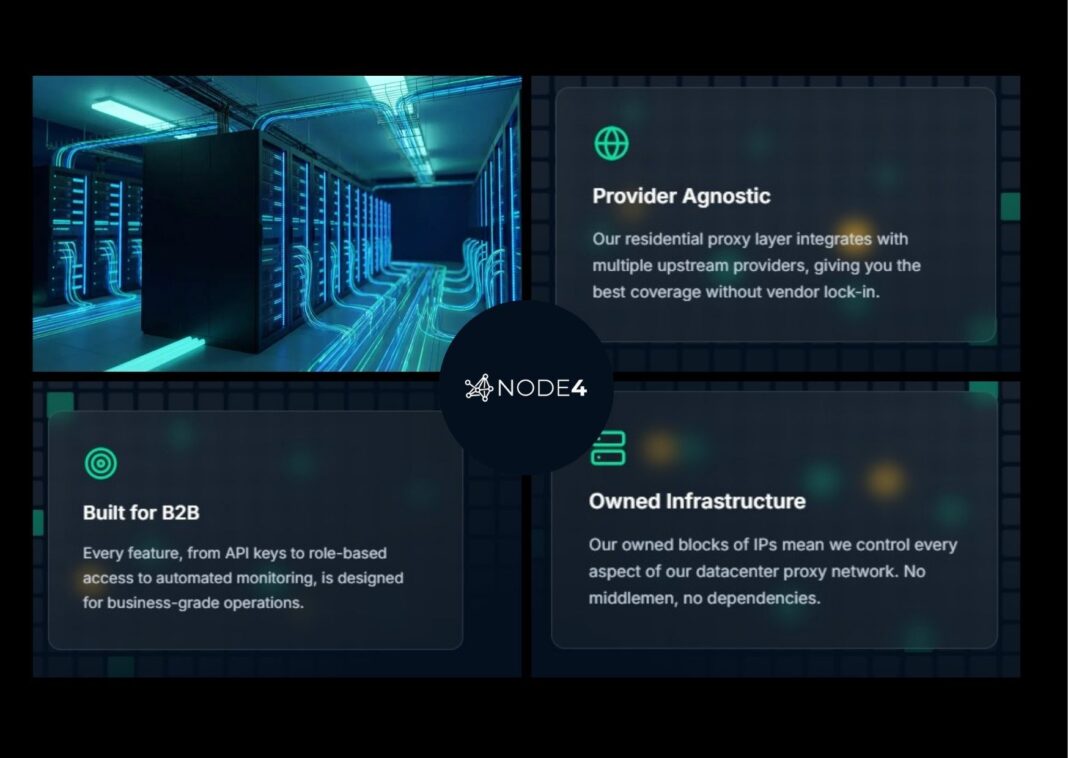
High-trust scraping comes from aligning your network layer with your data collection goals, not from treating proxies as a random workaround. When you choose dependable infrastructure, you reduce blocks, stabilize performance, and keep your automation consistent enough to support real production workloads. That reliability matters for both accuracy and operational efficiency, especially when you need to collect large volumes of structured data without constant interruptions. node4.io simplifies web scraping with reliable proxy solutions built for efficient data collection. By offering flexible options that emphasize stable connections and scalable scraping needs, node4 helps teams maintain confidence in their results and reduce downtime from network-related failures. With the right proxy strategy and provider quality, your scraper becomes a system you can trust, rather than a script you constantly babysit.
