Why Trust Matters for Laser Vision Correction
When you’re considering laser eye surgery, trust is not a “nice to have”—it’s central to your safety and results. Refractive procedures require careful screening, precise measurements, and a surgeon who understands how your eye’s unique anatomy affects outcomes. A high-quality clinic laser eye surgery Johannesburg builds confidence by explaining risks clearly and setting realistic expectations for vision quality, comfort, and recovery. This is especially important when you’re choosing a provider in a busy city where many options may be advertised.
Trust also comes from how a practice treats you before, during, and after treatment. Reliable ophthalmology services focus on evidence-based evaluations rather than rushed appointments. You should expect a detailed assessment of corneal thickness, refractive error stability, tear film health, and overall ocular health. These steps help ensure you’re a suitable candidate and that any conditions that could affect healing are identified early.
What Quality Screening Looks Like Before Treatment
Quality begins with diagnostics that go beyond a quick eye test. During a consultation, the clinician should review your prescription history and perform advanced imaging to map the cornea accurately. This helps determine whether laser vision correction is laser eye surgery cape town appropriate for your visual needs and whether alternative options may be safer. In a trustworthy setting, you’ll also receive guidance on how lifestyle factors—such as contact lens use—may influence measurements before surgery.
A strong refractive pathway includes discussion of dryness risk and how it may be managed. The tear film is a major contributor to post-procedure comfort, and assessing it helps reduce the chance of lingering irritation. You should be offered a plan for follow-up visits and clear instructions on medication use, eye hygiene, and monitoring red flags. Patients who feel well informed typically experience smoother recovery because they understand what sensations are normal and when to seek assistance.
It’s also important to talk about visual goals, including night driving performance and sensitivity to glare. Not every patient wants the same balance of sharpness and spectacle independence, so shared decision-making matters. A quality clinic will explain how different laser approaches may influence outcomes and why one method may be recommended over another. This patient-centered approach supports confidence, because your care feels tailored rather than generic.
Laser Options and Patient-Centered Expectations
options often include procedures designed to correct common refractive errors such as myopia, hyperopia, and astigmatism. However, the best choice depends on your corneal profile, degree of refractive error, and ocular surface condition. A trusted provider will explain the reasoning behind the recommendation, including expected visual benefits and potential side effects. When the consultation is thorough, you’re more likely to feel satisfied with the end result because your goals are aligned with what’s clinically achievable.
Many patients also compare services across major cities, such as, and wonder whether the same standards apply. While techniques may sound similar in marketing, quality is determined by the full process: assessment, surgical planning, technology use, and post-operative care. A reputable ophthalmology practice should demonstrate consistent protocols and a focus on long-term eye health. That means not just aiming for clearer vision, but also protecting corneal stability and supporting comfort after treatment.
It helps to ask specific questions during your consultation. For example, inquire how many similar cases the surgeon manages, what measurements guide the treatment plan, and how complications are handled if they arise. You can also request information about recovery milestones, including when you can return to work and when normal activities can resume. Clear answers reduce uncertainty and help you prepare mentally and practically for your healing journey.
Conclusion
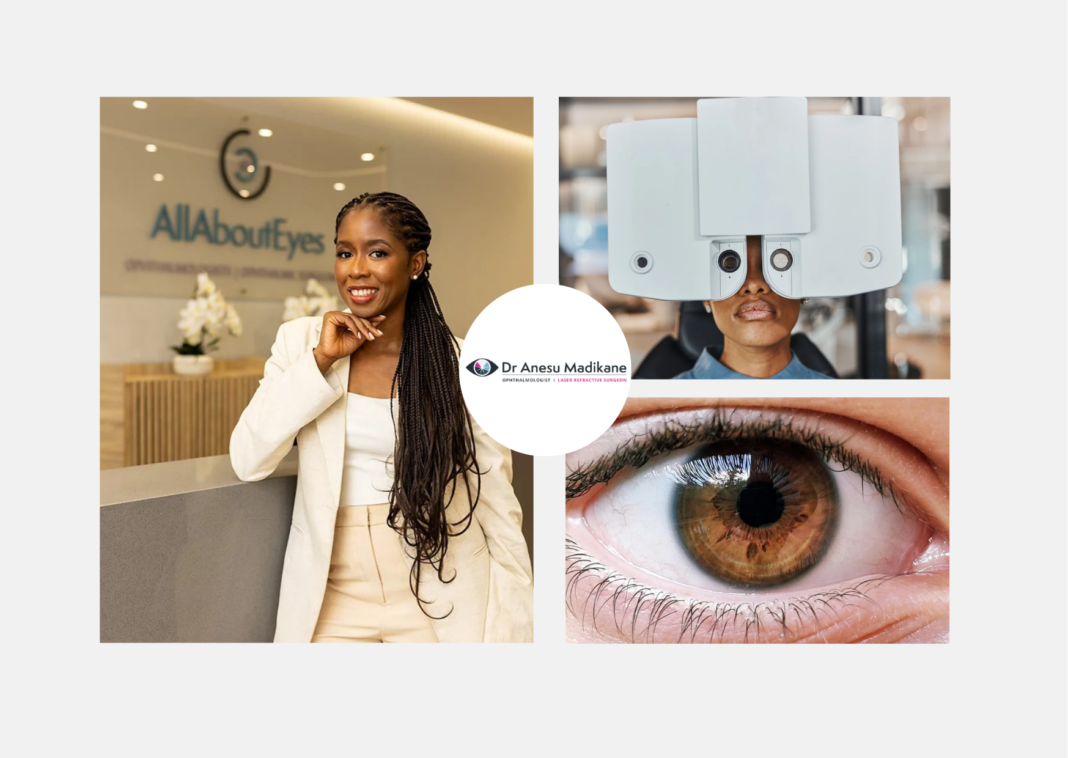
Choosing laser vision correction is a serious decision, and the right provider should earn your trust through transparency, rigorous screening, and consistent aftercare. Quality care means your eyes are evaluated carefully, your procedure is planned precisely, and your recovery is supported with meaningful guidance. This approach helps patients feel confident that their outcomes are being pursued responsibly rather than opportunistically. For people exploring options in South Africa, Dr Anesu Madikane offers professional ophthalmology services and a patient-focused conversation around refractive procedures and available treatment considerations through dranesumadikane.co.za.
If you want safer, higher-quality eye care, start by choosing a clinic that explains the process in plain language and prioritizes suitability over sales. Your consultation should feel like a partnership, where your concerns are addressed and your visual goals are evaluated with clinical integrity. With the right expertise and follow-up, laser vision correction can become a well-managed step toward clearer sight and improved confidence in daily life. Dr Anesu Madikane is committed to helping patients understand options, consider appropriate pathways, and move forward with clarity and trust.
