Understanding the Importance of Site Plans
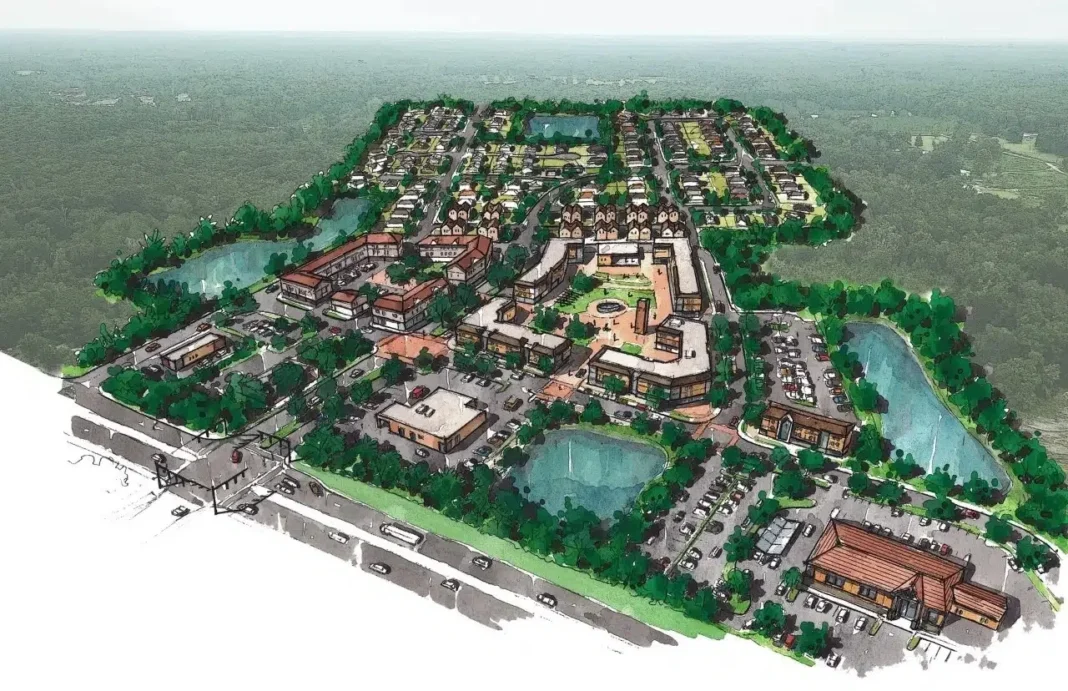
When undertaking any residential construction or renovation project, having detailed and accurate site plans is essential. These plans provide a clear layout of the property, including the placement of buildings, utilities, landscaping, and boundaries. They serve Residential Site Plans for Permits in United States as a crucial reference for contractors, architects, and local authorities during the permitting process. Without a precise site plan, projects may face delays, unexpected costs, or even denial of permits.
Key Components Included in Site Plans
A comprehensive site plan typically includes several important elements. These consist of property lines, existing and proposed structures, driveways, sidewalks, utility lines, and landscaping features. Elevations and grading information may also Ready to Use Site Plans in 24 Hours be incorporated to ensure proper drainage and adherence to zoning regulations. These details help ensure that the construction complies with local building codes and community guidelines.
Regulatory Requirements for Permitting
Each municipality and county in the United States has specific requirements for residential site plans to obtain permits. These requirements can vary widely, including minimum scale, approved formats, and mandatory details such as setback distances or easements. Understanding and meeting these criteria is vital to ensure the approval of residential construction permits. Site plans must be precise, professionally drafted, and conform to local planning department standards.
Benefits of Professional Site Plan Services
Engaging a professional site plan provider offers numerous advantages. Experts ensure plans are accurate, detailed, and compliant with local regulations, reducing the risk of permit rejection. They also help streamline the submission process and provide guidance on how to address any issues raised by permitting authorities. This professional assistance saves homeowners and builders time and money by avoiding costly revisions and delays.
How Technology Enhances Site Plan Delivery
Advancements in technology have revolutionized the way residential site plans are created and delivered. Digital drafting software enables precise, customizable designs that can be quickly adjusted if necessary. Online platforms allow customers to submit information, receive updates, and obtain finalized site plans with ease. These tools ensure a faster turnaround, increased accuracy, and greater convenience for clients across the United States.
Availability of Ready-to-Use Site Plans
One emerging trend in residential construction is the availability of Ready to Use Site Plans in 24 Hours. These pre-designed plans meet common permitting standards and can be quickly adapted to specific property requirements. This option is particularly beneficial for homeowners seeking a fast, efficient way to secure permits and begin construction without sacrificing compliance or quality.
Choosing the Right Site Plan Provider
Selecting a reliable site plan service involves evaluating experience, customer reviews, and the ability to meet local permitting needs. Providers with a strong understanding of regional regulations and a commitment to quick delivery are ideal partners in residential projects. Transparency in pricing, clear communication, and customizable options also contribute to a smooth and successful permitting process.
Conclusion
Obtaining residential site plans for permits in the United States is a critical step in any building project. Utilizing professional services, especially those offering Ready to Use Site Plans in 24 Hours, can significantly streamline the permitting process and reduce stress. For those seeking reliable, efficient, and compliant site plan solutions, prositeplans.com offers expertise and convenience to help bring residential construction projects to life with confidence.
