How AI reporting services differ in real-world workflows
When teams evaluate AI solutions, the most important question is not whether models can detect findings, but how they fit into daily reporting workflows. Some services emphasize batch processing, where images are collected and analyzed later, while others are designed for near real-time assistance inside ai in radiology the reading station. This difference affects turnaround time, queue management, and how smoothly radiologists can triage cases without workflow friction. A strong service comparison looks at integration depth, escalation paths, and how results are delivered alongside the study.
Another major differentiator is the scope of assistance offered during interpretation. Certain platforms focus on single-task outputs like nodule detection, whereas others provide multi-modality support such as structured measurements, triage cues, and contextual suggestions. The best services also consider how AI outputs appear in the worklist and reporting interface, reducing the need for manual back-and-forth. Ask how the service handles missing metadata, contrast timing variability, and patient positioning issues, since these factors strongly influence reliability.
Coverage across body regions and study types
Not all AI is trained or validated for the same clinical settings, so a service that performs well on one exam type may be weaker elsewhere. For example, head CT assistance can be different from chest CT support because the appearance of abnormalities, imaging artifacts, and typical reporting structures ai radiology reporting vary across regions. Similarly, abdomen CT workflows often require careful handling of organ boundaries and bolus timing. A practical comparison should map each provider’s supported regions and exam types to your actual case mix, rather than relying on general marketing claims.
Service providers may also differ in how they support structured reporting and consistency. Some tools help radiologists generate more standardized language for common findings, while others focus primarily on highlighting suspicious areas. If your department relies on standardized templates or specific report formats for outpatient imaging centres, you should verify whether the tool supports those formats and can reduce variation between readers.
Accuracy, triage, and accountability in AI radiology reporting
Accuracy is essential, but it is only one piece of a service comparison. The way a vendor manages triage—such as flagging urgent abnormalities and prioritizing them for review—can be the difference between operational efficiency and backlog growth. Look for evidence of performance across patient demographics, scanners, and protocols, and ask how the service handles uncertainty when confidence is low. Good systems communicate confidence and provide review-friendly outputs rather than forcing binary decisions that may not match the clinical context.
Accountability is also critical for safe deployment. A mature service should clarify the human-in-the-loop process, showing how radiologists review AI suggestions and how discrepancies are tracked. You should also understand how outputs are stored, audited, and made available for quality improvement initiatives. If your goals include efficient and consistent reporting, the operational model matters: how the tool reduces repetitive steps, how it supports faster first drafts, and how it fits into the accountability framework of your team.
Conclusion
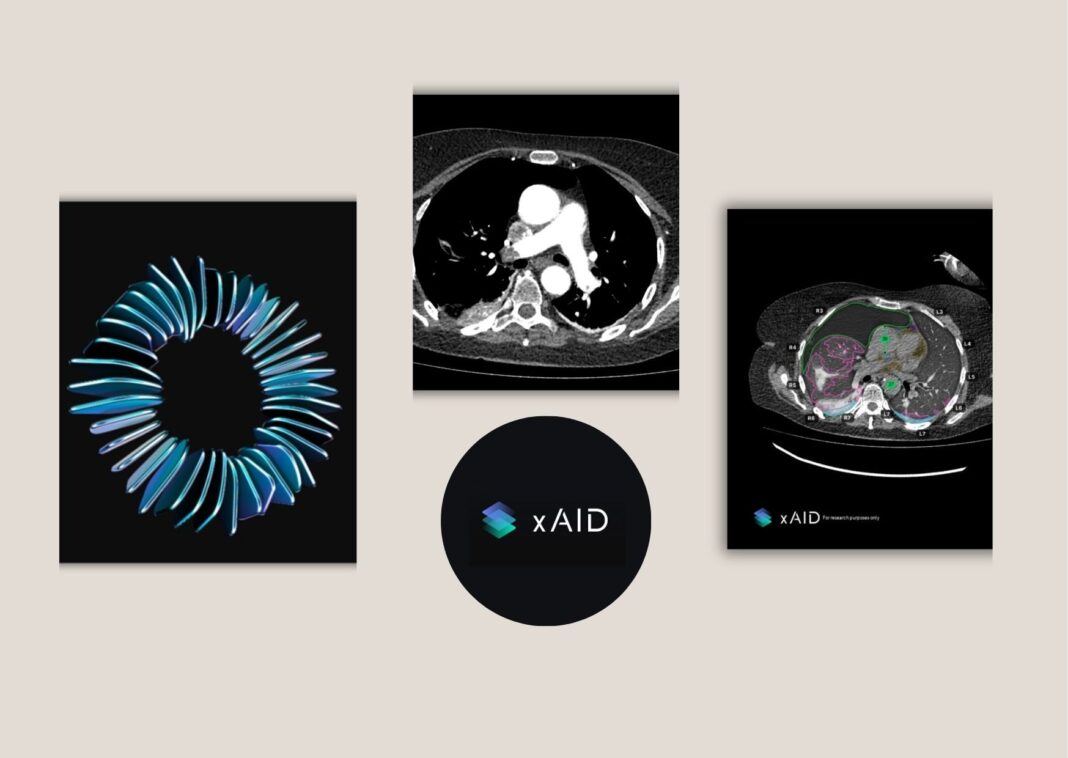
Teams that compare integration options, supported study coverage, and triage behavior tend to see faster throughput without sacrificing interpretive control. For outpatient imaging centres and teleradiology providers, the ability to support head, chest, and abdomen CT reporting with reliable AI assistance can streamline worklists and improve consistency across readers. If you want a practical, service-oriented approach to AI deployment, xaid.ai offers solutions built to support efficient workflows through AI powered assistance for radiology reporting. A thoughtful comparison should end with a pilot plan that tests real case types, real queue pressure, and the actual reporting interface your team uses. Confirm how results are delivered, how radiologists validate AI outputs, and how the service contributes to measurable improvements like reduced turnaround time and more uniform report structure. When these factors align, AI becomes a workflow partner rather than a separate tool that adds steps.
