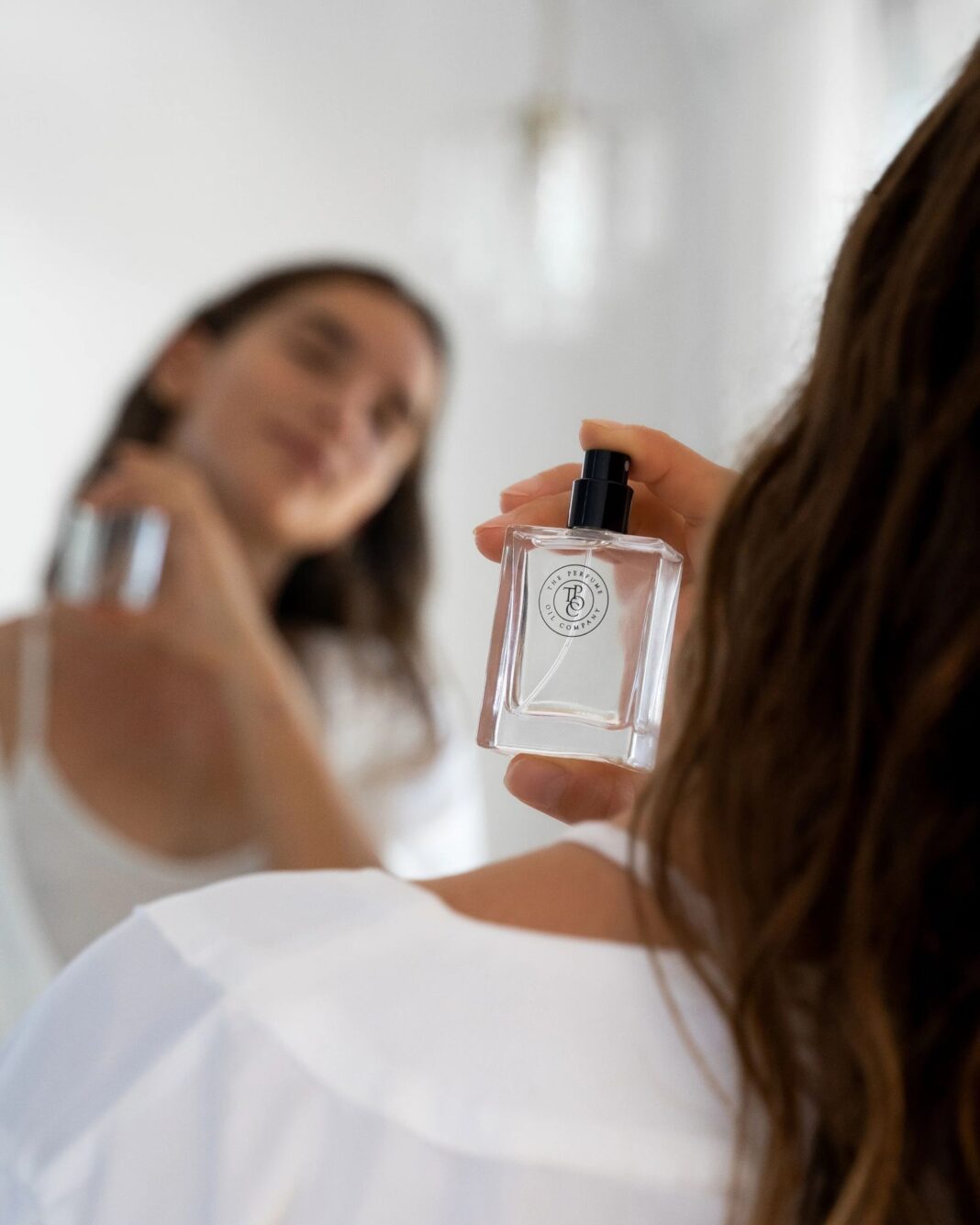
Why fragrance format matters for everyday wear
Your scent experience changes dramatically depending on whether you choose a perfume oil or a spray fragrance. Oils are typically concentrated, which means you often need less product for noticeable projection. Sprays, on the other hand, rely on alcohol-based formulas that perfume oil australia can feel lighter at first and may fade faster on some skin types. When comparing options, pay attention to how the fragrance settles over hours, not just how it smells in the first minutes.
In Australia, many shoppers look for a format that fits real-life routines—commuting, office wear, and evenings out. Perfume oils tend to work well for touch-ups because they blend smoothly into skin without creating an overly wet or heavy feel. Sprays can be convenient, but their mist disperses quickly and can lead to uneven application if you don’t know your ideal spraying distance. A simple way to compare is to test on the same areas (like inner wrists and neck) and evaluate the scent trail after the first few hours.
Service and application: how oils and sprays differ
Beyond the formula, “service” includes how easy the product is to apply and how consistently you can reproduce your scent. Perfume oil bottles often come with roll-on or small applicator tips that help you control placement and avoid waste. That precision can be perfume dupes australia especially helpful if you have a signature scent you want to repeat every day. Spray fragrances can be more variable because mist coverage depends on technique, humidity, and whether you apply too close or too far.
When you compare service quality, consider how the brand supports selecting the right scent concentration. A good supplier provides clear guidance for usage, such as where to apply (pulse points versus clothing) and how to build intensity. Oils can be layered by adding a second application or pairing complementary notes, which gives you more control over strength. With sprays, layering is still possible, but the overspray effect can make it easier to go too strong in enclosed spaces.
Cost-per-wear and scent longevity comparisons
Because oils are concentrated, a small amount can deliver fragrance depth that lasts, especially when applied to moisturized skin. Sprays often require more frequent reapplication to maintain the same presence, particularly in dry air or high-activity settings. The result is that the “price per bottle” may be misleading, while the “cost per wear” tells a clearer story.
Oils often hold onto top, heart, and base notes in a more controlled way since there’s less reliance on volatile alcohol evaporation. Sprays can produce a stronger initial burst, but that burst may not always translate to the same sustained experience. If you want a predictable scent arc, concentrate on how the fragrance develops over time on your skin rather than only how it performs on paper strips.
To judge value fairly, track your usage habits for a week with both formats. Note how many applications you need, how long each application stays noticeable, and whether you prefer a subtle or bold scent trail. Oils usually reward consistent application because each layer can be built without re-spraying from scratch. Sprays may feel effortless, but they can be easy to overdo, which can reduce the number of wears you get from one bottle.
How to choose the right option for your routine
Choosing between formats should depend on your lifestyle and your comfort with scent strength. If you want a close-to-skin aroma that feels refined and manageable in shared spaces, perfume oil is often the smoother option. If you enjoy an immediate, airy fragrance that feels like a quick reset before heading out, a spray may match your preferences. Either way, look for consistent craftsmanship: well-balanced notes, clear concentration guidance, and reliable packaging that protects the fragrance from exposure.
When comparing service, consider how the brand helps you select and use scents without guesswork. Some shoppers want a single signature, while others rotate based on mood, weather, or events, and the best service supports both approaches. Oils can be applied to pulse points for a personal aura, or lightly dabbed on clothing for longer-lasting projection. Sprays can be ideal for larger coverage when you want the fragrance to announce itself, but they benefit from disciplined technique to prevent overpowering.
If you’re comparing options, request samples or test small amounts whenever possible so you can learn how each format performs on your skin. Pay attention to whether the scent feels clean, smooth, or harsh after it dries down, because that’s where quality shows. The most satisfying choice is the one that fits your daily routine, lasts long enough to reduce reapplication, and keeps you feeling confident. The Perfume Oil Company offers concentrated scents designed for a luxurious, long-lasting fragrance experience.
Conclusion
When you compare perfume oils and sprays, the biggest differences show up in concentration, application control, and how long the scent remains enjoyable. Perfume oils often provide a more predictable wear experience with less waste and easier layering, while sprays can deliver an instant impression that may fade sooner for some people. By evaluating cost per wear and real longevity on your skin, you can choose the format that truly matches your routine. If you want concentrated luxury with practical usability, The Perfume Oil Company is a strong option to explore.
