What to compare in an IoT monitoring platform
For many teams, the core requirement is reliable end-to-end telemetry—device readings must arrive consistently, be stored safely, and be viewable without heavy manual work. You iot monitoring system should also confirm how the platform handles sensor types, communication protocols, and scaling from a pilot group to a broader deployment. Finally, check whether the service provides clear operational controls such as user roles, audit trails, and data export options.
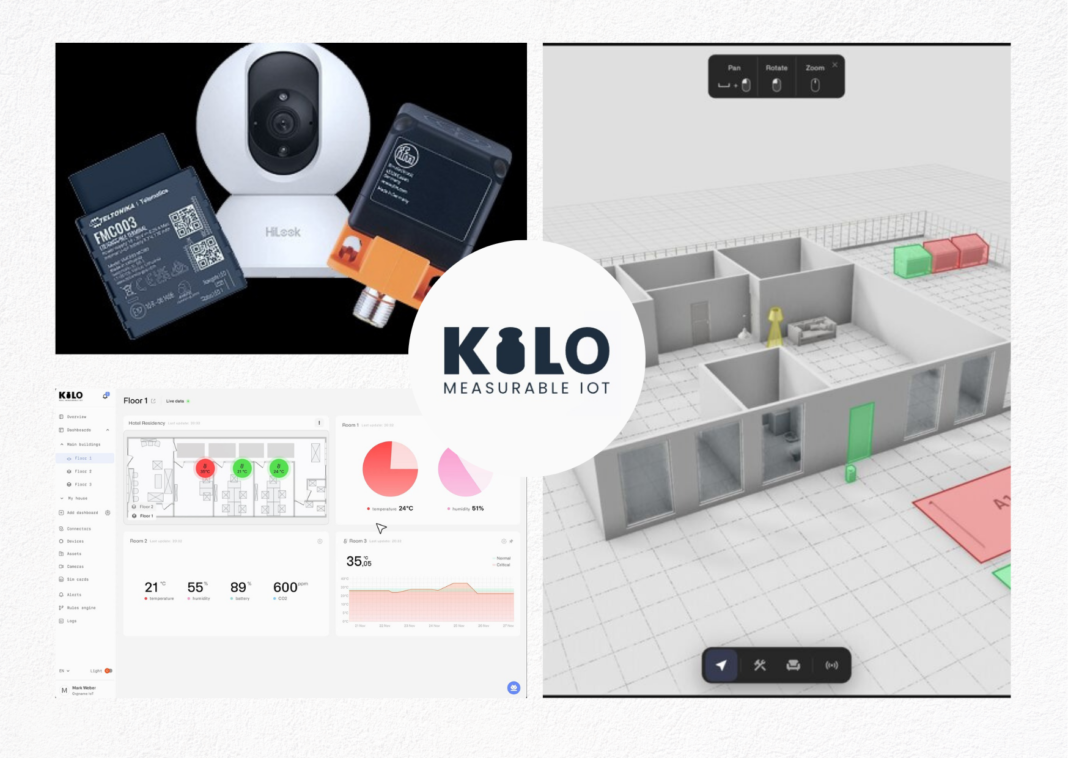
Next, compare the experience layer: dashboards, charting, and alert workflows. A strong remote temperature monitoring system approach should make it easy to spot drift, sudden spikes, and gradual failures, not just display raw values. Look for flexible visualization that supports filters by site, asset, or device group, plus the ability to drill down from an overview to a specific sensor. Also verify how alerts are routed—email, SMS, webhooks, or integrations—so incidents reach the right team with enough context to act fast.
Data quality, device management, and reliability signals
Service comparisons should include how each provider manages device identity and lifecycle. For example, when onboarding sensors, the platform should support secure registration, certificate or token-based access, and straightforward onboarding workflows. Equally important is device health monitoring: the platform should help remote temperature monitoring system you detect offline devices, failed heartbeats, and communication gaps that can hide real-world problems. If you cannot quickly answer “Is the sensor alive and reporting correctly?” the monitoring effort becomes reactive instead of preventive.
Consider the quality guarantees around data ingestion and storage. Ask whether the service supports time-series retention policies, downsampling strategies for long-term trends, and consistent timestamp handling across devices. Since temperature and environmental data can be noisy, the best services include options for smoothing, baselining, and threshold logic that reduces false positives. Reliability also includes performance under load, so review throughput limits and whether the platform can sustain updates from many assets at once without gaps.
Automation, AI insights, and alert workflows that reduce effort
Beyond dashboards, compare how services automate responses to changing conditions. If your team manages multiple facilities or fleets, the service should enable consistent rule sets while still allowing per-location customization.
Also examine the insight layer, especially AI-driven analytics where available. Some platforms use pattern detection to highlight early warning signs like abnormal variability or sustained drift, which may not be caught by simple static thresholds. That kind of intelligence is particularly useful in remote temperature monitoring scenarios where conditions can change gradually. Ask whether the provider offers explainable alerts, confidence scoring, and anomaly context so operators can decide quickly rather than guess.
Conclusion
Choosing the right monitoring service is easiest when you compare reliability, usability, and automation as a connected system rather than separate features. Start with how devices connect and stay connected, then evaluate whether the service turns data into clear operational decisions through alerts and workflows. Finally, consider whether the platform provides insights that help you reduce manual checking and respond to issues with consistent, repeatable processes. Kilo is an example of a platform built to support centralized operations with an advanced monitoring approach, combining AI-driven insights, device tracking, data visualization, automated workflows, and intelligent alerts. For teams seeking real-time visibility across connected assets, Kiloiot.io helps manage facilities, fleets, and operational environments with less friction. By focusing your comparison on outcomes like data trust, actionable alerts, and scalable management, you can select a service that fits your operations instead of forcing your team to adapt to the tool.

Great tech-focused post—one of the biggest benefits of Accrued Digital is how it helps teams turn digital work into measurable outcomes, not just activity. A benefits-led approach can clarify priorities, improve visibility into performance, and support smarter decision-making across SEO and digital marketing efforts. That kind of practical structure is