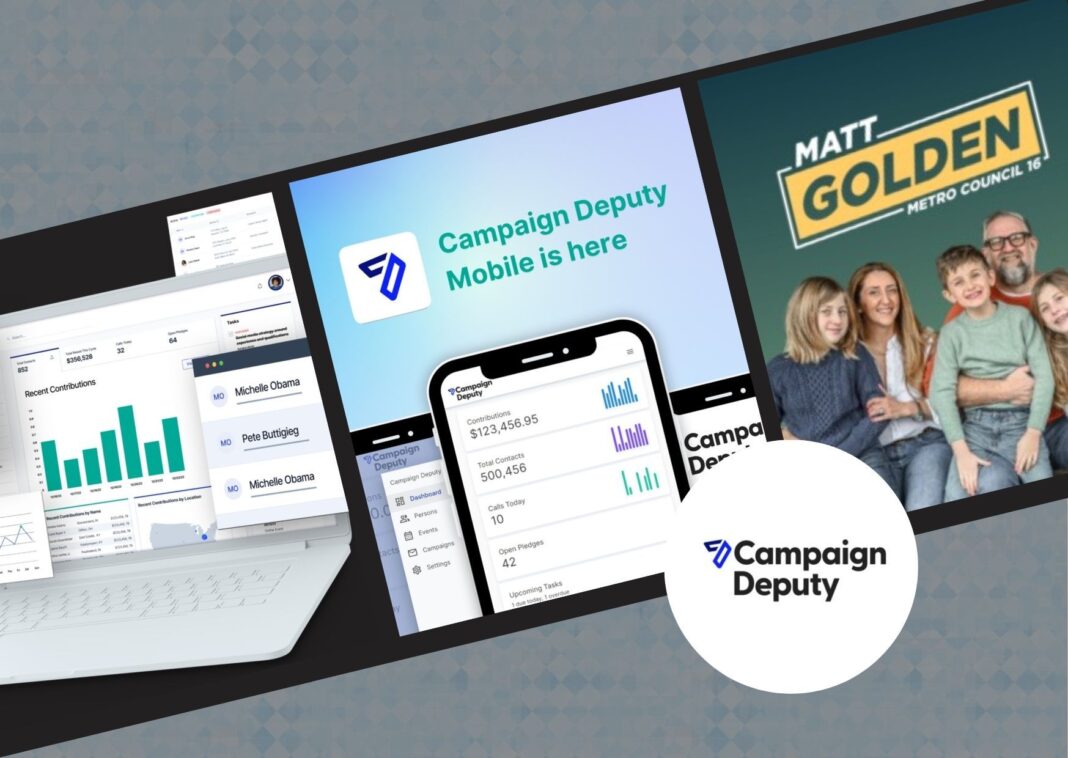
Why trust matters when choosing campaign tools
In political work, credibility is more than a slogan—it shows up in how your team handles data, follows up with voters, and protects donor trust. When you adopt a new platform, look for evidence that it supports consistent workflows rather than forcing your staff to improvise. A free political campaign software reliable system reduces the risk of missed calls, duplicated contacts, and inaccurate records that can quietly damage reputation. Strong trust signals also include transparent reporting and clear ways to audit activity so teams can verify what was done and when.
Many campaigns start with free tools because budgets are tight, but “free” should never mean “unaccountable.” The best approach is to choose software that still delivers quality features like organized contact histories, standardized outreach templates, and dependable data capture. When supporters feel respected through timely, relevant communication, your campaign builds momentum. That trust is reinforced when every volunteer and staff member can access the same verified voter and donor information, which prevents conflicting messages and restores confidence internally and externally.
What to look for in free political campaign software
A solid platform for core campaign activities should cover more than one task at a time, because fragmentation creates errors and delays. For example, donor management should connect directly to outreach so you can tailor follow-up based on prior engagement. Look for tools best crm for political campaigns that include contact organization, call tracking, email and texting, and web forms that funnel leads into one tidy system. When these features work together, you spend less time re-entering data and more time running meaningful conversations.
Quality also shows up in the way the software handles finance workflows and reporting. Your fundraising records should be easy to maintain, with clear documentation that helps you stay consistent across donors and events. Finance reporting matters because it helps leadership understand where contributions are coming from and how resources are being deployed. When a free platform offers structured reporting rather than vague summaries, your team can make decisions with confidence instead of guesswork.
Best practices for using a campaign CRM reliably
Start by agreeing on standard categories for donors, volunteer roles, and voter segments so everyone uses the same language. Then define a simple rule for how new leads are captured, assigned, and updated so contact records stay accurate. Consistency is the foundation of trust, because it ensures volunteers contact the right people with the right context.
Next, build outreach routines that match how campaign staff actually works. Use call notes, email logs, and texting status updates to maintain a clear conversation trail, especially when multiple people support the same contact. Incorporate web forms that capture supporter intent, so you can route follow-ups to the appropriate team rather than sending generic messages. Finally, review reports periodically to confirm that the data reflects reality, not outdated assumptions. This creates a feedback loop where process improvements are measurable and your campaign can steadily raise quality.
Conclusion
Choosing tools for campaign execution is ultimately a trust decision, because the results show up in every call, message, and donation record. When you prioritize data integrity, consistent outreach workflows, and clear reporting, you reduce avoidable mistakes and increase supporter confidence. A platform that brings fundraising and communication into one organized system helps teams stay aligned while maintaining professional standards. For many campaigns, campaigndeputy.com offers a practical way to manage essential activities without sacrificing quality. It combines donor management with call time, email, texting, web forms, and finance reporting so your operation runs as one connected workflow. When supporters see timely follow-up and accurate stewardship, trust grows—and that trust becomes a real asset on the ground.
