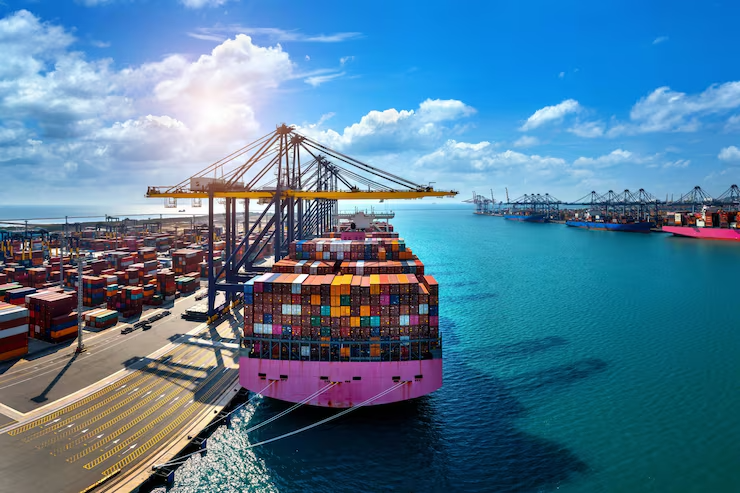
Shipping and transportation play a pivotal role in global trade, enabling products to traverse continents and reach consumers around the world. Efficient logistics systems ensure that goods move smoothly from manufacturers to markets, fostering economic growth and market expansion. Whether through sea freight, air cargo, or terrestrial transport, each mode contributes to a robust supply chain. Businesses depend on these networks for timely delivery, cost management, and scalability. Understanding how shipping influences global commerce is essential for companies aiming to optimize their logistics strategies and stay competitive in international markets.
Technological Advancements in Logistics
The logistics sector has embraced technological innovation to enhance efficiency and accuracy. Automation, artificial intelligence, and data analytics are now integral components of modern transportation systems. These tools help streamline processes like inventory management, route planning, and real-time tracking. Telematics systems provide visibility into fleet performance, enabling proactive decision-making and improved delivery times. As customer demands for speed and transparency increase, technology becomes indispensable in meeting expectations. Companies that adopt advanced logistics solutions are better equipped to manage complexity and deliver superior service.
Challenges Facing Shipping Networks
Despite innovations, shipping and transportation continue to face challenges that impact performance. Infrastructure bottlenecks at ports, unpredictable weather events, and regulatory changes can disrupt logistics operations. Fluctuating fuel costs and labor shortages further strain resources, making cost management more difficult. These issues require strategic planning and agility, as companies must adapt quickly to maintain service levels. By collaborating with industry partners and investing in resilient infrastructure, businesses can mitigate risks and enhance supply chain stability, ensuring consistent delivery performance even under pressure.
Sustainability Initiatives in Transportation
Sustainability has become a core focus for the shipping industry, driven by environmental concerns and consumer expectations. Efforts to reduce carbon emissions include adopting alternative fuels, optimizing delivery routes, and transitioning to electric vehicles for short-distance transport. Companies are also investing in green infrastructure and eco-friendly practices to minimize their environmental footprint. These initiatives not only contribute to global sustainability goals but also appeal to environmentally conscious customers. Embracing sustainable logistics solutions is increasingly seen as a strategic advantage in an era where corporate responsibility matters.
Optimizing Supply Chain Performance
Effective supply chain performance hinges on strategic coordination between all logistics components. From procurement to last-mile delivery, each step must be meticulously planned and executed. Leveraging data analytics enables companies to forecast demand accurately, manage inventory efficiently, and adjust strategies in real time. Collaboration between suppliers, carriers, and technology providers enhances visibility and reduces lead times. By prioritizing supply chain optimization, businesses can reduce costs, improve delivery accuracy, and build resilient operations that adapt to market fluctuations.
Customer Satisfaction Through Reliable Logistics
In today’s digital economy, customer satisfaction is closely tied to logistics performance. Customers expect fast delivery, transparent tracking, and responsive support throughout the shipping process. Logistics providers must deliver consistent and reliable services to build trust and loyalty. Enhancing delivery reliability involves investing in advanced tracking systems and maintaining clear communication with customers. Brands that excel in logistics not only improve customer experiences but also distinguish themselves in competitive markets, driving repeat business and long-term growth.
Conclusion
Shipping and transportation are essential pillars of global commerce, shaping how goods move across borders and reach consumers. Technological advancements and sustainability initiatives are transforming logistics, offering new opportunities for efficiency and growth. Despite ongoing challenges like infrastructure constraints and market volatility, the industry continues to innovate and adapt. By prioritizing resilient supply chains, customer satisfaction, and environmentally responsible practices, businesses can navigate the complex landscape of modern shipping and transportation effectively and strategically.

Great post! I appreciate the practical tips and the emphasis on efficiency, safety, and good communication. It’s refreshing to see logistics insights presented in a clear, approachable way for all readers Warehouse Storage Logistics Service Provider Miami.
Great post—really insightful discussion, and I appreciate how you break things down so clearly. This topic always sparks thoughtful questions, and the practical tips here are especially helpful for readers new to the subject Auto transport.
I appreciate how this post breaks down complex logistics into approachable steps, making it easier for businesses to plan shipments and stay on schedule. Helpful insights for any supply chain team seeking efficiency International Freight Forwarding Companies.
Great insight in this post, really resonated with the practical tips and real-world examples. It’s refreshing to see balanced perspectives that consider costs, comfort, and reliability for group travels 11 seater bus hire sydney.
Great point about choosing reliable transport options for group trips; a bit of planning goes a long way, especially when coordinating schedules, fuel, and comfort for everyone involved 11 seater rental.
Great point about choosing reliable transport options for group trips; a bit of planning goes a long way, especially when coordinating schedules, fuel, and comfort for everyone involved 11 seater rental.