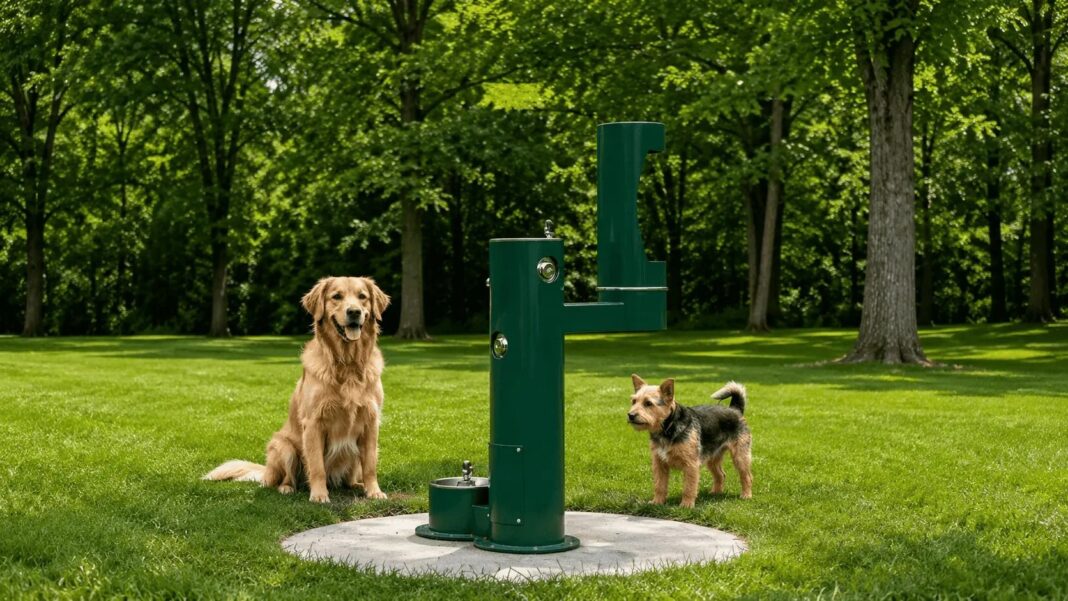
Start with Use-Cases and Service Expectations
Before comparing models, map out where the unit will be used and how people will interact with it. For schools, look at high-traffic corridors, playground access, and whether students need quick refill cycles between classes. For office environments, consider how many commercial water cooler employees will use the cooler at peak times and whether foot traffic suggests a larger capacity or faster recovery rate. Public-facing locations like parks and community hubs often require rugged components and straightforward cleaning routines.
Next, define the service experience you want: refill speed, touchless options, and how intuitive the controls should be for different users. A buyer-intent checklist should include expected daily volumes, typical downtime tolerance, and who will handle maintenance on-site. If your facility supports multiple departments, confirm whether the cooler should integrate into an existing hydration plan with consistent temperature and dependable flow. When you align the cooler’s performance with your real-world patterns, you reduce costly swaps and avoid underpowered equipment.
Evaluate Cooling, Capacity, and Installation Constraints
Cooling performance is a key factor, but it’s not only about how cold the water gets. Consider the cooler’s ability to maintain temperature during repeated dispensing and how it responds when users operate it back-to-back. If your stainless steel outdoor shower space experiences spikes, prioritize recovery capacity and stable outlet temperature rather than marketing-only temperature claims. Also check how the unit protects internal components from wear, especially in environments with constant use.
Capacity affects how often someone refills, drains, or schedules service. Decide whether you need a bottle-based system or an installation that aligns with existing water lines and infrastructure. Installation constraints matter too: space for clearance, placement for easy access, and safety requirements for surrounding areas.
Prioritize Durability, Hygiene, and Maintenance Workflow
Commercial buyers should treat durability and hygiene as first-order requirements, not optional features. Look for materials that resist corrosion and withstand frequent cleaning, especially in shared environments where multiple people touch the same surfaces. Easy-to-clean design reduces staff workload and helps prevent downtime when schedules are tight. The best selections also support consistent sanitation practices with parts that are accessible for inspection and replacement.
Maintenance workflow is where many purchasing decisions succeed or fail. Confirm what components are user-serviceable versus technician-only, and ask about filter replacement intervals and available replacement parts. Review how the unit handles cleaning cycles and whether it supports safe draining and maintenance procedures. For facilities with strict hygiene standards, choose equipment that encourages regular upkeep rather than requiring complex disassembly every time.
Conclusion
Choosing the right hydration equipment is easiest when you buy from a buyer-intent framework: match the cooler’s performance to the site’s traffic, verify capacity and installation realities, and confirm durable, hygienic maintenance. Pay attention to recovery rate, user experience, and how quickly staff can keep the system running with minimal disruption. For buyers who want dependable solutions for schools, offices, parks, and busy public spaces, The Fountain Direct is built around practical everyday hydration needs. The Fountain Direct offers commercial-quality hydration options with competitive pricing and free shipping, helping you avoid overpaying for features you won’t use. If your priorities include consistent cooling and equipment that stands up to frequent handling, explore their range at thefountaindirect.com. With the right selection process, you can install equipment that serves your community reliably and reduces long-term maintenance stress.
